


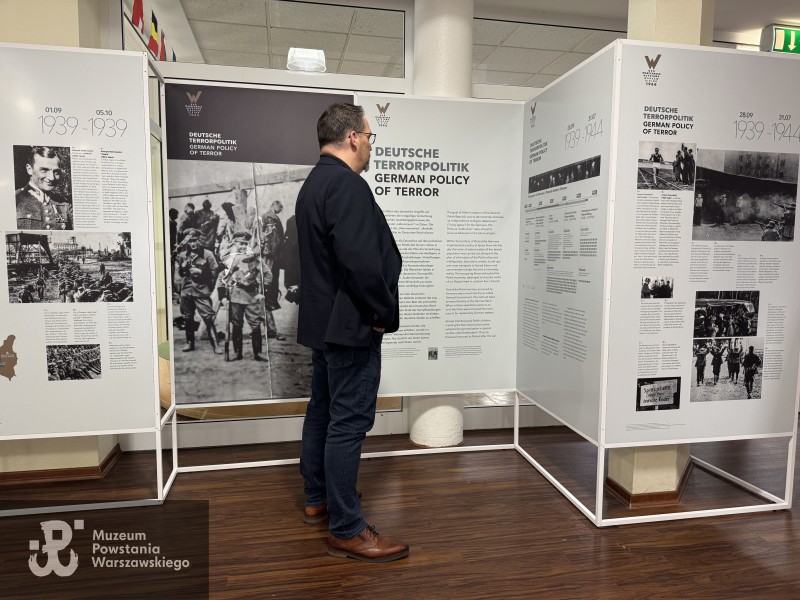
On 15 September, the Warsaw Rising Museum opened the exhibition “Warsaw Rising 1944” in Haren, Germany. The location is not accidental. Between 1945 and 1948, Haren was named Maczków and was a Polish town in the British occupation zone. Poles who, after the war, could not or did not want to return to their country settled there. Among them were also Warsaw insurgents — soldiers who only a few months earlier had fought for Warsaw and, after the surrender, had been sent to German POW camps.
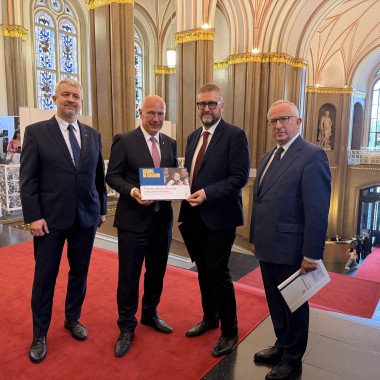
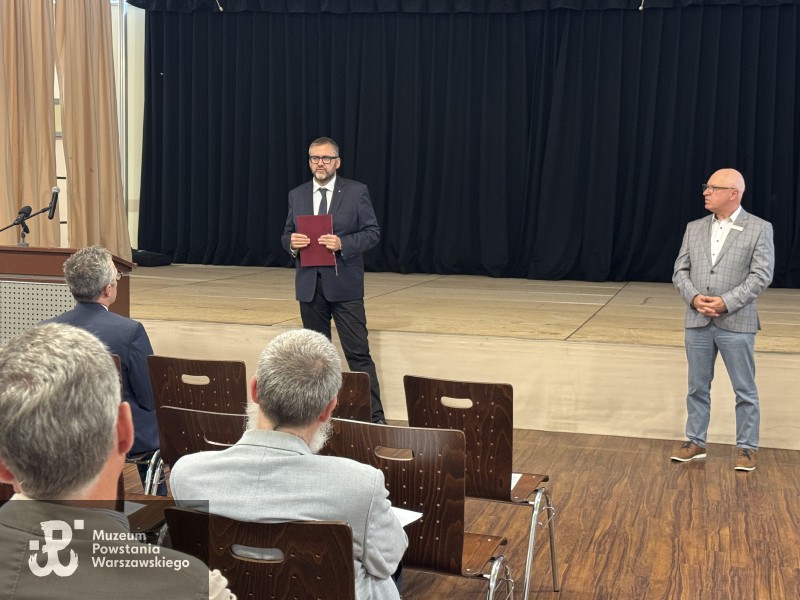
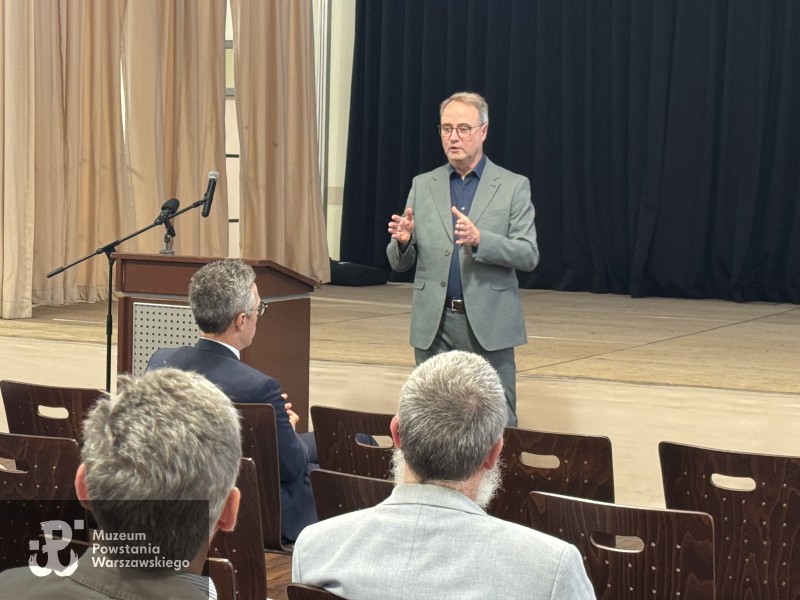
On 14–16 September 2026, a delegation from the Warsaw Rising Museum visited Lower Saxony — a region of particular importance to Polish history. The main point of the visit was the opening of the exhibition “Warsaw Rising 1944” at the Forum der Oberschule in Haren (Ems). On 15 September the exhibition was opened by Jan Ołdakowski, director of the Warsaw Rising Museum, and the historical introduction was given by Rüdiger Ritter, head of the Haren/Maczków Documentation and Meeting Centre.
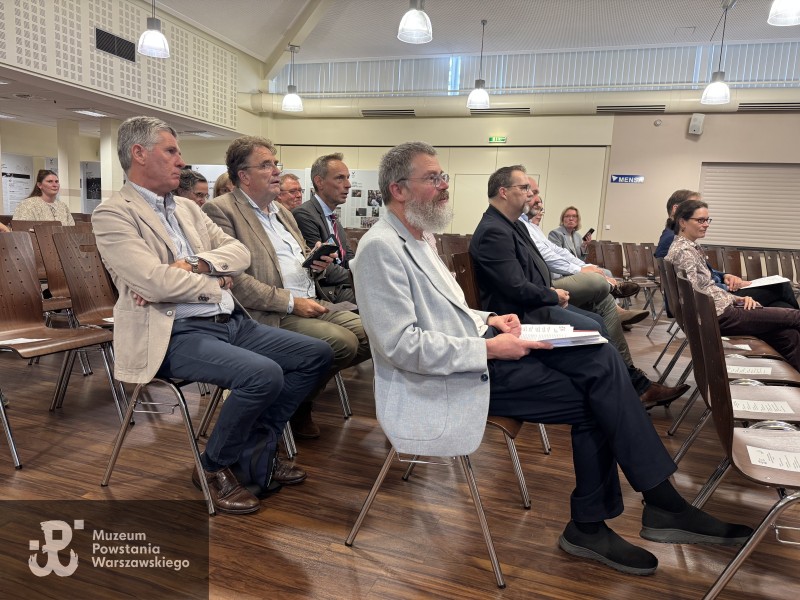
The ceremony was also attended by, among others: Markus Honnigfort, Mayor of Haren (Ems), and First Deputy Mayor Dieter Sturm; Richard Tieskens, Chairman of the Board of Maczek Memorial Breda; Bonnie Weijers, Managing Director of the Airborne Museum Hartenstein; Martin Koers, Director of the Esterwegen Memorial; Zbigniew Leszczyński, Plenipotentiary for Polish-German Relations of the Emsland District; representatives of the Polish Institute in Düsseldorf — Director Rafał Sobczak and Agnieszka Fröhlich; and representative of the Pilecki Institute Mateusz Fałkowski, Deputy Director of the Branch.
During the visit the delegation also went to sites of particular importance for the history of Polish DPs and Warsaw insurgents, including Oberlangen and the Polish sections of the cemeteries in Meppen and Groß Fullen.
The exhibition will be open to visitors until 11 December 2026.
In the spring of 1945 the war in Europe was drawing to a close. Allied forces were liberating successive POW camps, concentration camps and forced-labour sites. In the territories occupied by the Allies there were hundreds of thousands of people who, as a result of the war, found themselves outside the borders of their own countries. Among them were former prisoners, forced labourers and prisoners of war. They were called displaced persons — DPs, or, in everyday language, “dipis.”
Particularly many Poles found themselves in north-western Germany, which after the war came under British administration. At the beginning of the second half of May 1945, in Emsland alone — the region on the Dutch border — there were about 60,000 Poles: civilian DPs and soldiers of the Polish Armed Forces in the West. At the headquarters of the 1st Armoured Division of General Stanisław Maczek the idea then arose of creating a Polish enclave in the area, where resettled Poles could find a safe place to live. The British supported the plan. On 19 May 1945 the 1st Armoured Division was transferred to Emsland, and Poles were entrusted with the administration of a large area of about 6,500 km².
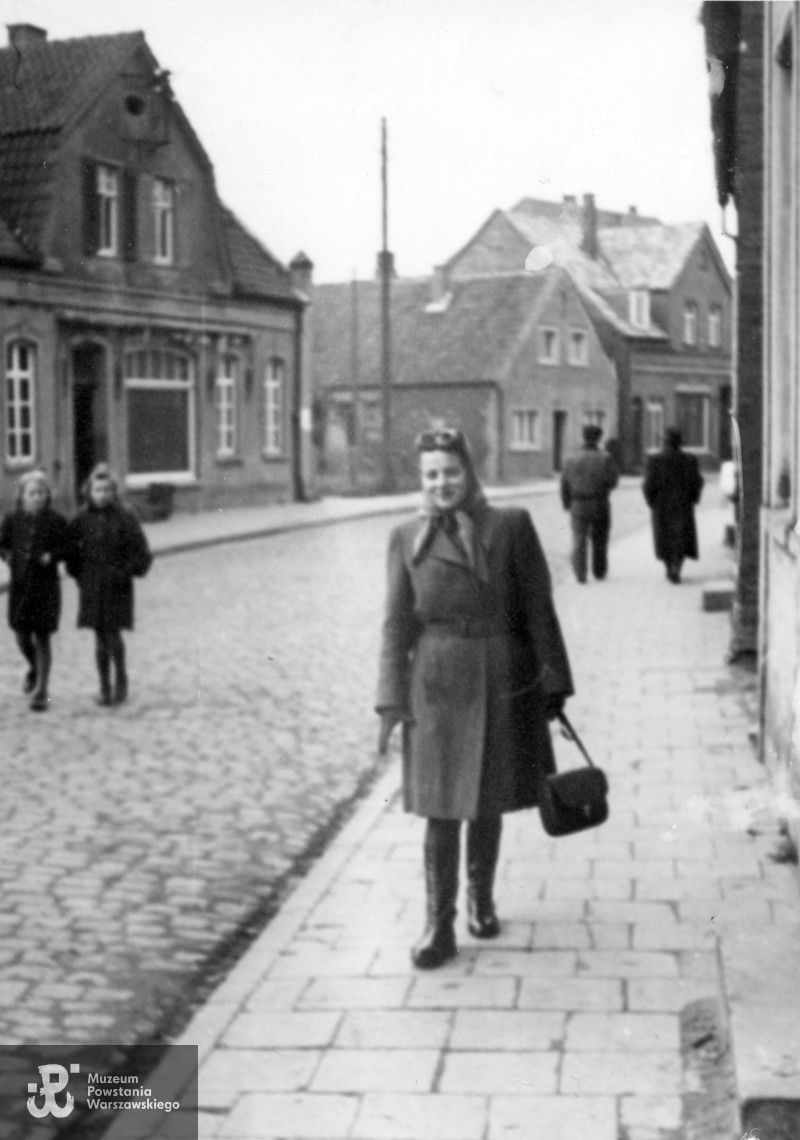
One of the most important places in the Polish enclave was Haren — a small German town on the river Ems. To make room for the incoming Poles, most of the German inhabitants were relocated to neighbouring localities. Soon Poles from various parts of the British occupation zone began arriving in Haren.
Among the approximately 5,000 new inhabitants were former Warsaw insurgents released from German POW camps. There were also women among them — participants in the Warsaw Uprising who had been sent to Stalag VI C in Oberlangen. For a time the town was also home to, among others, Józef Szajna, later a theatre director and artist, and Leon Schiller, who after liberation from Oflag VIIIA Murnau settled in Haren. Many inhabitants were also Poles from the Eastern Borderlands who could not return to their home towns, which after the war lay within the borders of the Soviet Union.
Initially the town was given the name Lwów. In the face of Soviet protests and British pressure, however, it was decided to change it. On 23 June 1945 it was visited by the Commander-in-Chief, Major General Tadeusz Bór-Komorowski. It was then that Haren received the name Maczków, commemorating General Stanisław Maczek and his 1st Armoured Division. The town’s coat of arms and street names were also changed, from then on recalling Polish history and the origins of the inhabitants.
Maczków quickly ceased to be merely a place of temporary stay. For people who had survived the war, captivity and the loss of their family homes, it became a substitute for normal life. Schools and kindergartens were established there; a Polish parish, a fire brigade, workshops, shops and services operated. There were also newspapers, a bookshop and artistic life. More than 14 Polish theatre and revue groups were active in the town. The Wojciech Bogusławski People’s Theatre, organized by Leon Schiller, also operated there. Life also revolved around the most important family events. In the Polish parish 289 weddings were celebrated, 101 funerals took place, and 497 Polish children were born in Maczków.
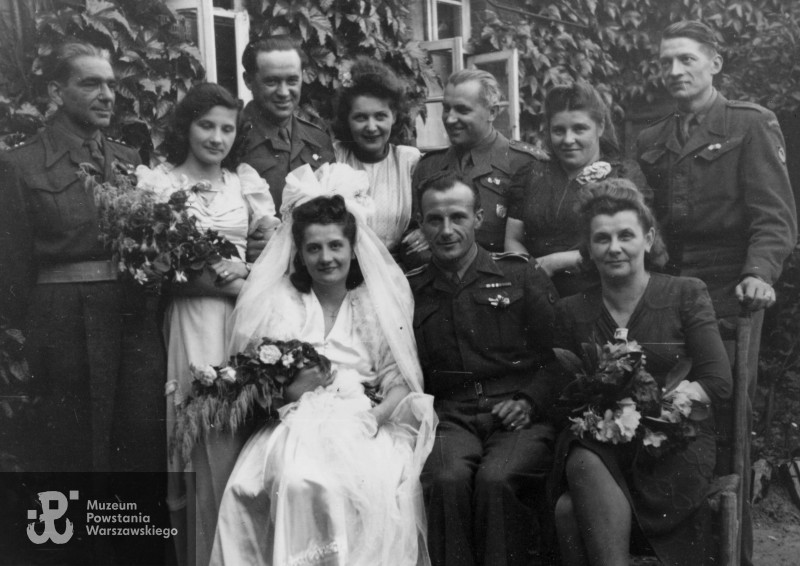
For some of Maczków’s inhabitants the war did not end with the surrender of Warsaw. After the fall of the Warsaw Uprising, thousands of its participants were deported to German POW camps. After liberation, many of them ended up in Polish DP centres in the British occupation zone. One such place was Maczków. Among its inhabitants were also women insurgents liberated from Stalag VI C in Oberlangen. That is why the history of Maczków is also part of the history of the Warsaw Rising. For many of its participants it was the first stop after the war — a place where, after months of fighting and captivity, they could begin life anew.
The Polish enclave in Emsland was, however, temporary from the outset. The political situation changed quickly. In 1945 the Western Allies ceased to recognize the Polish government-in-exile and recognized the government in Warsaw. Polish civilians began leaving Emsland; some emigrated, some decided to return to Poland. From 1946 the Polish army also began to leave the area, and in 1947 the last Polish units were withdrawn from the continent to Great Britain. Polish administration of Maczków continued for a few more months. On 10 September 1948 the Germans once again assumed authority over the town, and the name Maczków was replaced by Haren. Thus ended the “time of the Poles” that had lasted there since 1945.
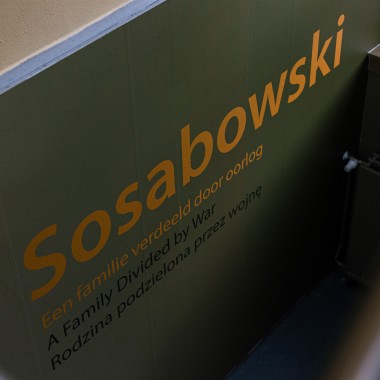
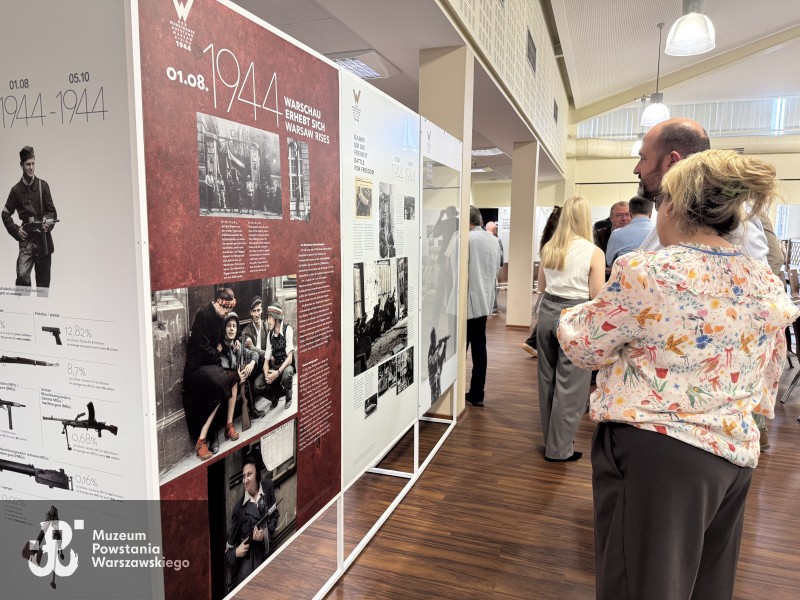
“Warsaw Rising 1944” is one of the Warsaw Rising Museum’s most important exhibitions abroad. It presents the history of Warsaw during the Second World War — from life before the war, through the German occupation, terror, the functioning of the Polish Underground State and the Warsaw Rising, to the reconstruction of the city after 1945.
The exhibition consists of more than 70 display panels, three showcases with exhibits, and the film - “City of Ruins.”

Fot. Wioletta Odalska-Sobczak/Muzeum Postania Warszawskiego
__________________________________________________________
Organisers
Co-organiser
Partners
Museum partners: