


"Der Warschauer Aufstand 1944" – Exhibition in Leipzig
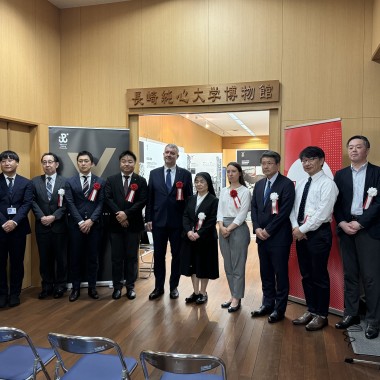
In the Dome Hall of the Federal Administrative Court in Leipzig, our exhibition “Der Warschauer Aufstand 1944” is currently on display. It is dedicated to the dramatic fate of Warsaw during World War II and the Warsaw Rising. The exhibition was prepared by the Warsaw Rising Museum, the City of Warsaw and the Polish Institute in Berlin – Leipzig Branch. The exhibition is open for visitors until 8 May 2026.
About the Exhibition “Der Warschauer Aufstand 1944”
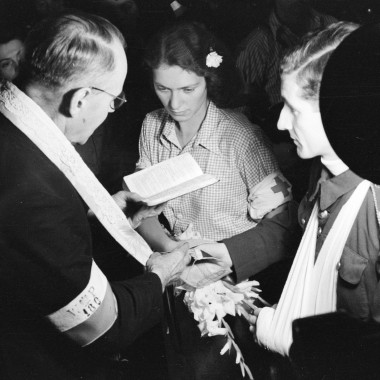
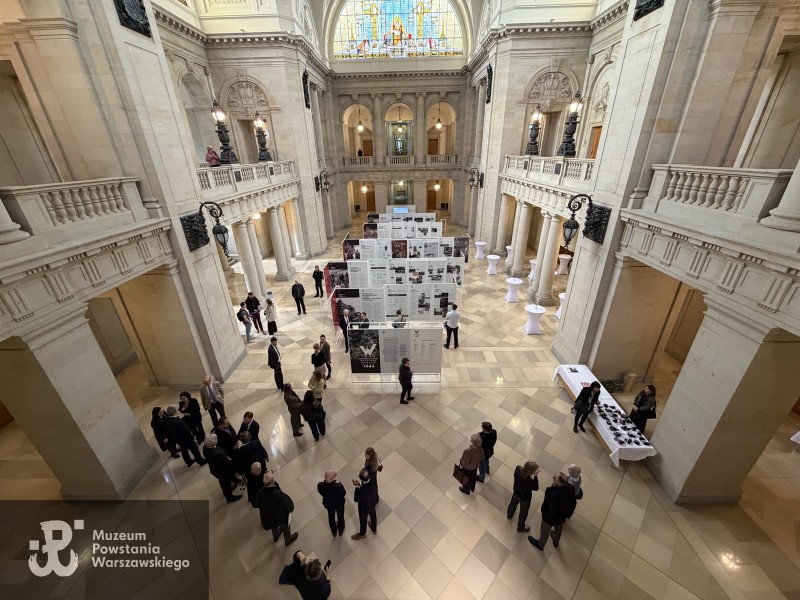
The exhibition consists of more than 70 display panels, three display cases with original artefacts and a film screening. In a multi-layered way, it tells the story of Warsaw – a city that became a victim of the brutal Nazi German extermination machine. The narrative begins with a picture of pre-war Warsaw – a dynamic, developing metropolis whose growth was brutally interrupted by the outbreak of World War II. Subsequent sections of the exhibition depict the realities of the German occupation:
- the Third Reich’s policies toward the Poles and Jews,
- everyday terror and the decisions of the occupation authorities,
- the creation of the Warsaw Ghetto and the living conditions of its inhabitants,
- as well as cultural life, which continued to exist despite the extreme conditions.
Central to the exhibition is the Warsaw Rising — 63 days of heroic struggle for freedom and the immense price paid by the city’s residents and the entire nation.
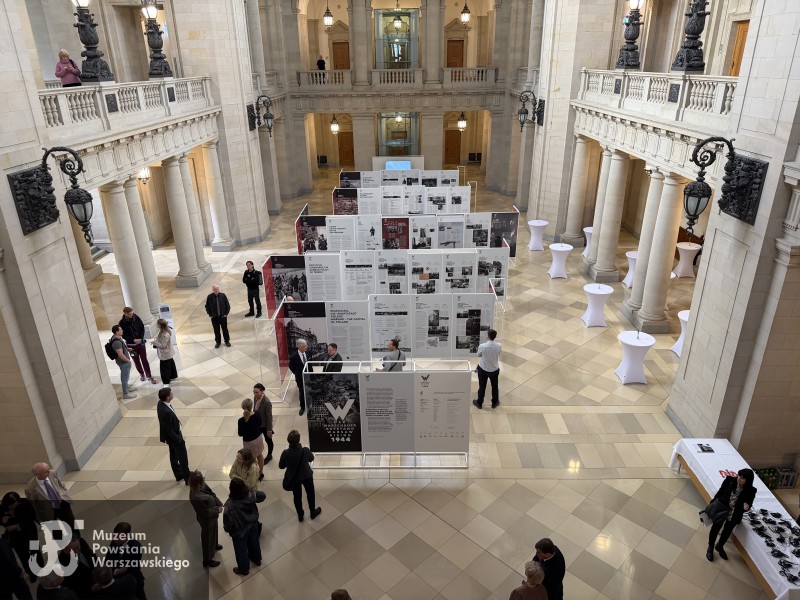
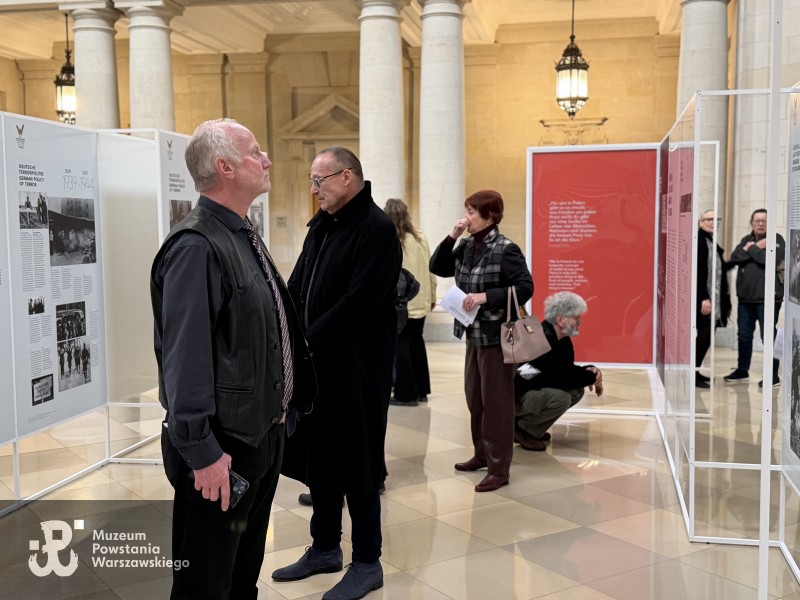
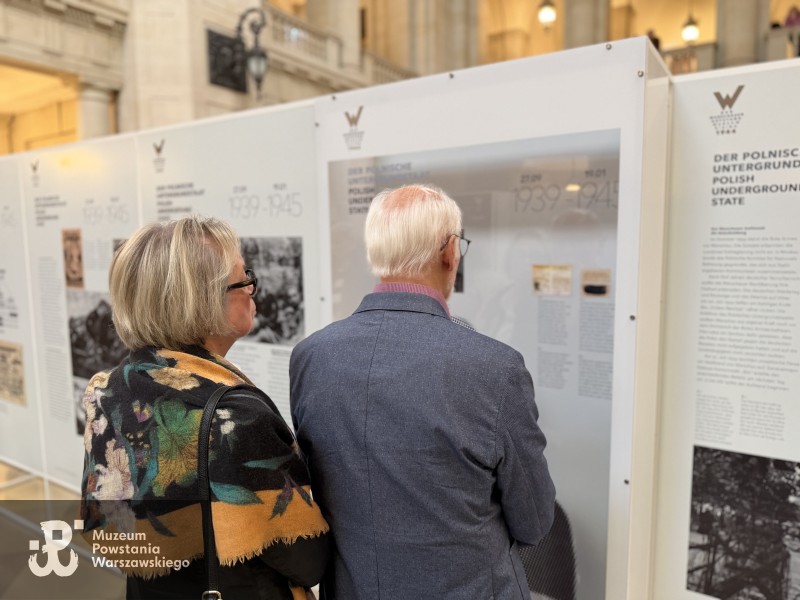
The final part of the exhibition presents the phenomenon of Warsaw’s post-war reconstruction – a city that rose from the ruins and today is a modern, dynamic European metropolis.
Accompanying Event
The exhibition is complemented by an engaging programme of events, allowing visitors to explore the Warsaw Rising from various angles through film screenings, talks, and guided tours with experts.
16.04.2026 / 7 pm
Polish Institute – Leipzig Branch / free admission
“Kanał”
Feature film, dir. Andrzej Wajda, Poland 1957, 96 min, German subtitles
Introduction: Bernd Karwen and Rainer Mende (Polish Institute)
22.04.2026 / 7 pm
Polish Institute – Leipzig Branch / free admission
“Warsaw Uprising”
Docudrama, directed by Jan Komasa, Poland 2014, 87 min, German subtitles
Introduction: Dr Karol Mazur (Warsaw Rising Museum)
23.04.2026 / 12 pm
Federal Administrative Court / free admission
Special guided tour of the exhibition with Dr Karol Mazur (Warsaw Rising Museum)
08.05.2026 / 7 pm
Polish Institute – Leipzig Branch / free admission
“Reconstruction Continues. The Saxon Palace and the Western Frontage of Piłsudski Square – History and Future”
Lecture: Maria Wardzyńska (Saxon Palace Sp. z o.o.) and Tomasz Markiewicz (Polish-German Cooperation Foundation)
With commentary by Arnold Bartetzky (GWZO)
Historical Context and Contemporary Relevance
The exhibition is aimed at audiences of all ages and from different countries. Its goal is to broaden knowledge about the realities of occupied Poland, which remain insufficiently present in international historical awareness.
The Warsaw Rising was the last attempt to defend Poland’s independence during World War II. Although it ended in military defeat, the idea of fighting for freedom survived – despite years of communist propaganda.
It was this tradition that later inspired the Polish democratic opposition and the “Solidarity” movement, ultimately leading to restored sovereignty in 1989.

Exhibition Venue
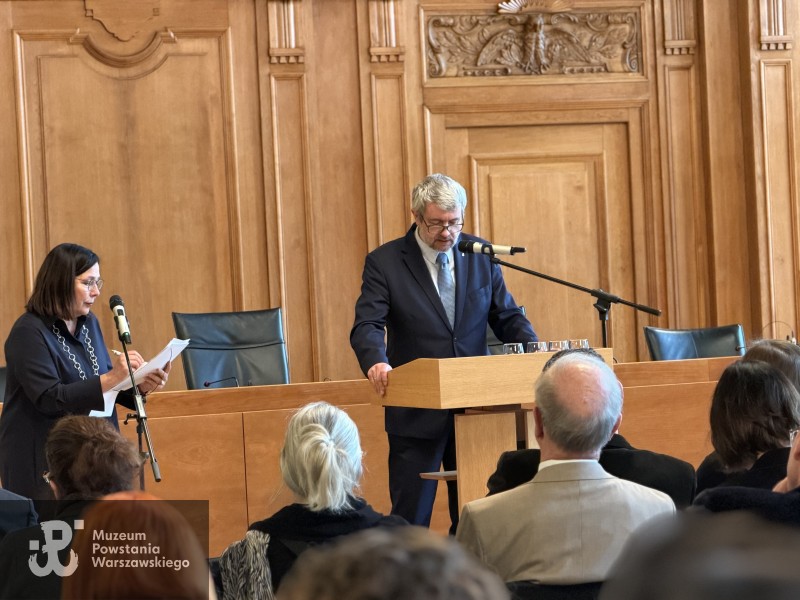
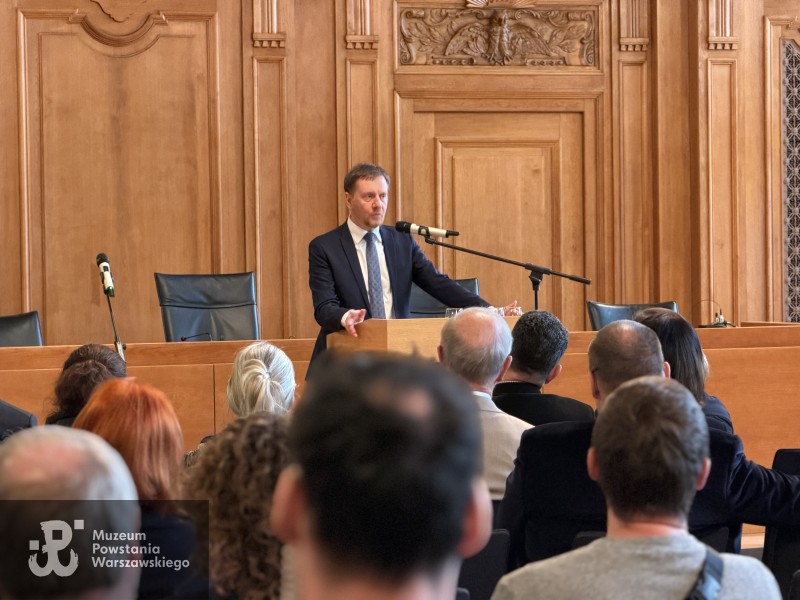
The exhibition is presented at the headquarters of the Federal Administrative Court in Leipzig, which since 2002 has served as Germany’s highest administrative court. This unique location – a symbol of law and democratic order – has made its space available for the exhibition, highlighting the importance of historical memory and international dialogue.
Address:
Simsonplatz 1
04107 Leipzig, Germany
Dome Hall of the Federal Administrative Court
Organisers and Partners
Organisers:
- Warsaw Rising Museum
- The City of Warsaw
Co-organiser:
- Polish Institute in Berlin – Leipzig Branch (Polnisches Institut Berlin – Filiale Leipzig)
Partners:
- Free State of Saxony
- Konrad Adenauer Foundation
- The Foundation for Polish-German Cooperation
Museum Partners:
- Patron: PZU
- Strategic Partner: PGE
- Partner: PZU Foundation
Photos: Monika Szymaszek/Warsaw Rising Museum